single story extension cost
A Comprehensive Guide to the 45-Degree Rule for Single Storey Extensions and Their Costs
Learn about the 45-degree rule for single storey extensions and how it affects costs and planning permissions in the UK.
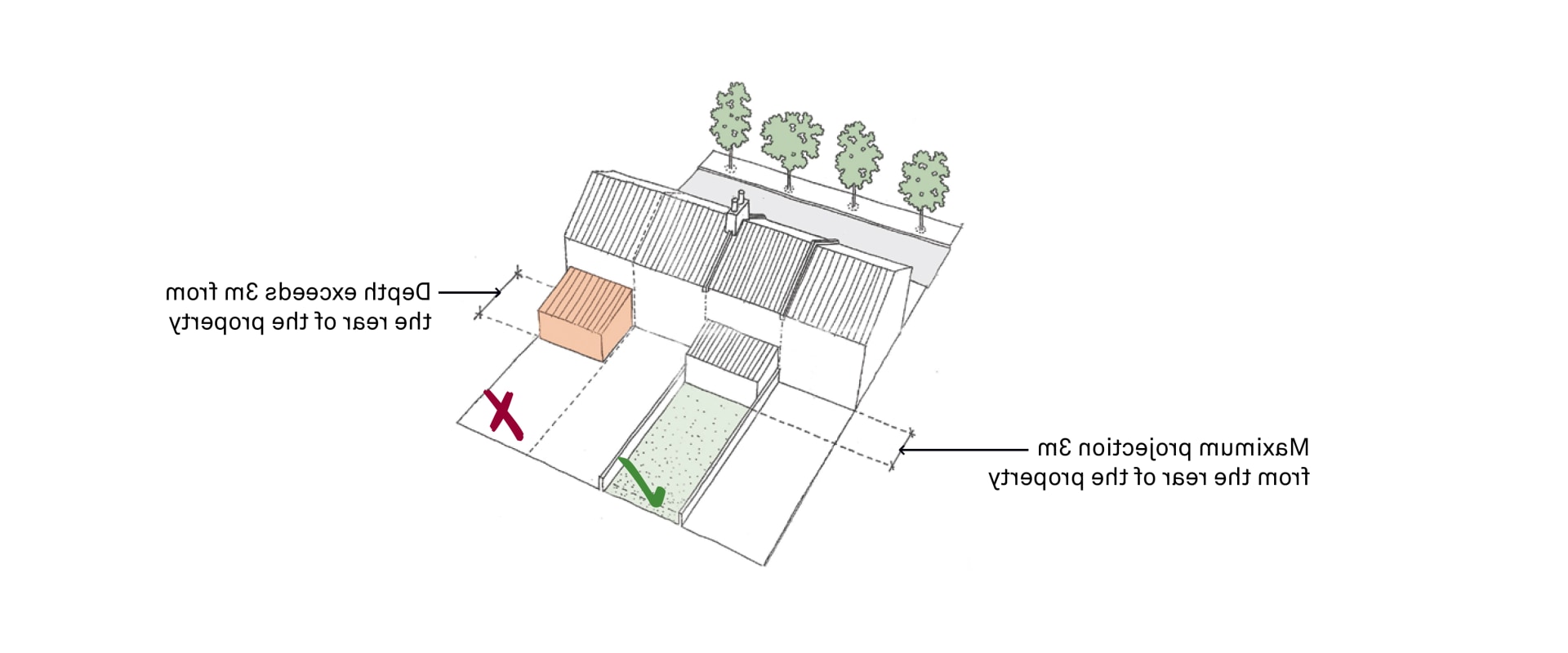
When considering a single storey extension, understanding the 45-degree rule is crucial for homeowners. This guideline serves as a benchmark to ensure that any proposed extension does not unduly obstruct light access to neighbouring properties. The essence of the 45-degree rule lies in its ability to maintain a balance between expanding your living space and respecting the rights of those living nearby. As urban areas become increasingly dense, adhering to such regulations becomes even more significant. The 45-degree rule is particularly relevant when planning extensions that could potentially impact the amount of natural light entering adjacent homes.
By drawing an imaginary line at a 45-degree angle from the centre of the nearest window of a neighbouring property, planners can assess whether the proposed extension will infringe upon their right to light. This consideration is not merely a bureaucratic hurdle; it reflects a broader commitment to maintaining harmonious living conditions within communities. Moreover, understanding this rule can have financial implications as well. The cost of a single storey extension can vary significantly based on compliance with local planning regulations, including the 45-degree rule. Homeowners who neglect these guidelines may face costly alterations or even rejections of their planning applications, leading to delays and increased expenses.
Therefore, it is essential to engage with local planning authorities early in the process to ensure that your plans align with existing regulations. In summary, grasping the fundamentals of the 45-degree rule is not just about adhering to legal requirements; it is about fostering good relationships with neighbours and ensuring that your home improvement project is both successful and sustainable. As we delve deeper into this topic, we will explore how this rule applies specifically to single storey extensions and what steps you can take to navigate the planning process effectively.
What is the 45-Degree Rule?
The 45-degree rule is a fundamental guideline in urban planning that serves to protect the access to natural light for properties adjacent to any proposed development, particularly when it comes to single storey extensions. This rule is designed to ensure that new constructions do not significantly obstruct sunlight or daylight from reaching neighbouring homes, thereby maintaining a reasonable quality of life for all residents in the area. At its core, the 45-degree rule establishes an imaginary line that extends at a 45-degree angle from the nearest habitable room window of a neighbouring property. This line is used as a benchmark to assess whether a proposed extension will infringe upon the light access of that window.If the extension crosses this line, it may be deemed too intrusive, potentially leading to planning permission being denied. The purpose of this rule is twofold:
- Preservation of Light: It aims to safeguard the right to light for neighbouring properties, ensuring that they continue to receive adequate sunlight and daylight throughout the day.
- Urban Aesthetics: By regulating how far extensions can project into the space of neighbouring properties, the 45-degree rule helps maintain a visually appealing urban environment, preventing overcrowding and excessive shading.
How the 45-Degree Rule is Applied
The application of the 45-degree rule is a crucial aspect of the planning process for single storey extensions.This rule serves as a guideline to ensure that any proposed extension does not adversely affect the light and space available to neighbouring properties. Understanding how to apply this rule effectively can help homeowners avoid potential disputes and planning rejections. To begin with, the 45-degree rule is typically assessed from the nearest habitable room window of an adjacent property. This means that when planning an extension, you must consider the position of your neighbour's windows in relation to your proposed build. The process involves drawing an imaginary line at a 45-degree angle from the centre of the nearest window.
If your extension crosses this line, it may be deemed to obstruct light and could lead to complications in obtaining planning permission. There are two primary methods for applying the 45-degree rule:
- Depth and Width Assessment: This method evaluates how far your extension projects into the garden space. The depth of the extension should not exceed the distance from the centre of the neighbouring window to where the 45-degree line intersects with your property boundary.
- Height Assessment: This method focuses on the height of your proposed extension. If it exceeds a certain height, it may also infringe upon the 45-degree line, thus affecting light access to neighbouring properties.
They can provide detailed information on any additional requirements or variations that may apply. Moreover, when considering a single storey extension, it’s wise to think about future developments as well. If you plan to add another storey later, ensure that your current design complies with the 45-degree rule for both existing and future structures. This foresight can save you from costly modifications down the line. In summary, applying the 45-degree rule involves careful measurement and consideration of both your property and those of your neighbours. By adhering to these guidelines, you can enhance your chances of a successful planning application while maintaining good relationships with those living nearby.
Understanding Single Storey Extensions
A single storey extension is a popular home improvement option that allows homeowners to expand their living space without the complexities associated with multi-storey builds.These extensions are typically added to the rear or side of a property and can serve various purposes, from creating additional living areas to enhancing the functionality of existing spaces. There are several types of single storey extensions, each catering to different needs and preferences:
- Rear Extensions: These are the most common type, extending outwards from the back of the house. They can create spacious kitchens, dining areas, or family rooms, allowing for a seamless flow between indoor and outdoor spaces.
- Side Extensions: These extensions expand the width of a property and can be particularly beneficial for semi-detached or terraced homes. They often provide additional bedrooms or bathrooms, enhancing the overall functionality of the home.
- Wrap-Around Extensions: Combining both rear and side extensions, wrap-around designs create a larger footprint and can significantly transform the layout of a home. This type is ideal for those looking to maximise space while maintaining an open-plan feel.
- Porches: A smaller form of extension, porches can enhance the entrance of a home while providing extra storage space for shoes and coats.
They also add an aesthetic appeal to the property.
- Garden Rooms: These extensions are designed as standalone structures within the garden, often used as offices, studios, or leisure spaces. They offer a unique way to enjoy nature while working or relaxing.
- Increased Space: One of the primary advantages is the additional living space it provides, which can accommodate growing families or changing lifestyles.
- Enhanced Property Value: A well-designed extension can significantly increase the market value of your home, making it a worthwhile investment.
- Improved Functionality: Extensions allow homeowners to tailor their living spaces to better suit their needs, whether that means creating an open-plan kitchen or adding a dedicated playroom for children.
- Cohesive Design: With careful planning, single storey extensions can blend seamlessly with the existing architecture, enhancing the overall aesthetic appeal of your home.
- Cost-Effective Solution: Compared to moving to a larger property, extending your current home can be a more affordable option, especially when considering associated costs like stamp duty and moving expenses.
The Importance of Light Access in Planning
In the realm of urban planning and property development, the significance of light access cannot be overstated. The principle of right to light is a fundamental aspect that governs how extensions and new constructions are evaluated.This principle ensures that existing properties retain their access to natural light, which is essential for both the aesthetic and functional aspects of living spaces. When considering a single storey extension, it is crucial to understand that any proposed changes must not unduly obstruct light from reaching neighbouring properties. This is where the 45-degree rule comes into play, serving as a guideline to assess whether an extension will infringe upon the light access of adjacent homes. By adhering to this rule, homeowners can avoid potential disputes with neighbours and ensure compliance with local planning regulations. The implications of light access extend beyond mere compliance; they affect the quality of life for residents. Natural light has been shown to enhance mood, productivity, and overall well-being.
Therefore, maintaining adequate light access is not just a regulatory requirement but also a social responsibility. Homeowners should consider how their extensions impact not only their own living conditions but also those of their neighbours. Moreover, planning regulations often reflect community values regarding light access. Local councils typically have specific guidelines that dictate how much light must be preserved for neighbouring properties. These regulations are designed to foster harmonious living environments where all residents can enjoy their homes without feeling overshadowed or deprived of sunlight. In summary, understanding the importance of light access in planning is vital for anyone considering a property extension.
The right to light serves as a protective measure for both homeowners and their neighbours, ensuring that developments contribute positively to the community rather than detract from it. By prioritising light access in planning decisions, homeowners can create spaces that are not only compliant with regulations but also conducive to a healthy and vibrant living environment.
Calculating Single Storey Extension Costs
When considering a single storey extension, understanding the associated costs is crucial for effective budgeting. The overall cost of a single storey extension can vary significantly based on several factors, including size, materials, and location. Below, we break down the key components that influence the cost of a single storey extension.Factors Influencing Costs
- Size and Design: The larger the extension, the higher the cost.
Additionally, complex designs with unique architectural features will typically incur higher expenses due to increased labour and material requirements.
- Materials: The choice of materials plays a significant role in determining costs. High-quality materials such as natural stone or premium timber will elevate the budget compared to standard options like brick or concrete.
- Location: Costs can vary by region. Urban areas often have higher labour costs and stricter regulations, which can increase overall expenses.
- Labour Costs: Hiring skilled tradespeople can be costly, but it’s essential for ensuring quality work. Always obtain multiple quotes to find competitive rates.
- Planning Permissions: Depending on your local council's regulations, you may need to budget for planning application fees and potential alterations to your plans if they do not meet local guidelines.
Cost Breakdown
A typical cost breakdown for a single storey extension might look like this:- Foundation Work: £1,000 - £3,000
- Structural Framework: £2,000 - £5,000
- Roofing: £1,500 - £4,000
- Windows and Doors: £1,000 - £3,000
- Interior Finishing: £2,000 - £6,000
- Utilities (plumbing/electrical): £1,500 - £4,000
- Labour Costs: 20-30% of total project cost
Budgeting Tips
To effectively manage your budget for a single storey extension:- Create a Detailed Plan: Outline your vision clearly to avoid unexpected changes that can inflate costs.
- Add a Contingency Fund: Set aside 10-15% of your total budget for unforeseen expenses that may arise during construction.
- Research Grants or Loans: Look into financial assistance options that may be available for home improvements in your area.
- Consult Professionals Early: Engaging with architects and builders at the outset can help you understand realistic costs and avoid costly mistakes later on.
Consulting with Local Planning Authorities
Before embarking on a project to build a single storey extension, it is crucial for homeowners to consult with their local planning authority (LPA).This step is not merely a formality; it is an essential part of the planning permission process that can significantly influence the success of your extension project. Local planning authorities are responsible for ensuring that all building projects comply with national and local regulations. They assess whether proposed developments align with local planning policies, which can vary widely from one area to another. Engaging with your LPA early in the process can help you understand the specific requirements and restrictions that may apply to your property.
What to Expect During the Consultation Process
When you approach your local planning authority, you can expect a structured process that typically includes the following steps:- Initial Inquiry: Start by contacting your LPA to discuss your plans. Many councils offer pre-application advice services, where you can receive guidance on your proposal before formally submitting an application.
- Documentation Review: Be prepared to provide detailed information about your proposed extension, including plans, elevations, and any relevant photographs.
This documentation will help the planners assess the potential impact of your project.
- Feedback and Recommendations: After reviewing your proposal, the LPA will provide feedback. They may suggest modifications to ensure compliance with local policies or address concerns related to light access, privacy, or aesthetics.
- Formal Application Submission: Once you have refined your plans based on initial feedback, you will need to submit a formal planning application. This will include all necessary documentation and a fee.
- Decision Making: The LPA will then assess your application against local and national guidelines. They may consult with neighbours or other stakeholders during this period.
- Outcome Notification: You will receive a decision notice detailing whether your application has been approved or refused.
If refused, the notice will outline the reasons for rejection and any potential avenues for appeal.
Common Misconceptions About the 45-Degree Rule
When it comes to the 45-degree rule, there are several misconceptions that can lead to confusion among homeowners considering a single storey extension. Understanding these myths is crucial for making informed decisions about property modifications.- Myth 1: The 45-Degree Rule is a Hard and Fast Rule
Many believe that the 45-degree rule is an absolute guideline that must be followed without exception.In reality, while it serves as a useful benchmark for assessing light obstruction, local planning authorities may have their own interpretations and additional criteria. It’s essential to consult with your local council to understand how they apply this rule.
- Myth 2: The Rule Only Applies to New Builds
Some homeowners think that the 45-degree rule is only relevant for new constructions. However, it also applies to single storey extensions. Any extension that could potentially impact the light received by neighbouring properties must be evaluated against this guideline. - Myth 3: If My Neighbour's Property is Higher, I Can Build Taller
A common misconception is that if a neighbouring property is taller, you can build your extension higher without concern.This is misleading; the 45-degree rule focuses on the impact of your extension on light access, regardless of the height of adjacent buildings. Therefore, even if your neighbour's property is taller, your extension must still comply with the rule.
- Myth 4: Extensions Can Be Built Without Any Consideration for Neighbours
Some homeowners mistakenly believe they can build extensions without considering their neighbours' rights. The 45-degree rule exists to protect the right to light for adjacent properties. Ignoring this can lead to disputes and potential planning refusals. - Myth 5: The Rule Only Considers Windows
While the focus of the 45-degree rule often revolves around windows, it also takes into account other factors such as garden space and overall amenity.Extensions should not only avoid blocking light but also maintain a reasonable level of privacy and outdoor space for neighbours.
Future Considerations for Extensions
When planning a single storey extension, it is essential to consider not only your current needs but also potential future modifications. This foresight can save you time, money, and hassle down the line, especially if you envision adding more space or functionality to your home later on.Future-Proofing Your Extension
Future-proofing involves designing your extension in a way that allows for easy modifications or expansions. Here are some key strategies to consider:
- Flexible Design: Opt for an open-plan layout that can be easily adapted. This flexibility allows you to reconfigure the space as your needs change over time.
- Structural Considerations: Ensure that the foundation and structure of your extension can support additional floors in the future.
Consult with a structural engineer to assess load-bearing capabilities.
- Access Points: Plan for staircases or access points that can accommodate future upper levels. Positioning these elements thoughtfully can make future expansions more seamless.
Planning for Additional Floors
If you anticipate the need for an additional floor, it’s crucial to incorporate this into your initial design. Here are some considerations:
- Height Restrictions: Be aware of local planning regulations regarding height restrictions. Ensure your extension complies with these rules while allowing for future vertical expansion.
- Roof Design: Choose a roof design that complements both the existing structure and any potential upper levels.
A pitched roof may provide more options for loft conversions compared to a flat roof.
- Utilities Planning: Consider how plumbing, electrical, and heating systems will be affected by future floors. Installing additional wiring or plumbing during the initial build can save significant costs later.
Long-Term Planning
Long-term planning is vital when considering a single storey extension. Here are some tips to ensure your extension remains functional and valuable over time:
- Market Trends: Research property trends in your area. Understanding what buyers are looking for can help you design an extension that adds value to your home.
- Sustainability: Incorporate sustainable materials and energy-efficient systems into your design.
This not only benefits the environment but can also reduce long-term running costs.
- Aesthetic Cohesion: Ensure that the style of your extension matches the existing architecture of your home. A cohesive look will enhance curb appeal and maintain property value.
<strong>Conclusion</strong>
In summary, understanding the 45-degree rule is crucial for homeowners considering a single storey extension. This guideline not only serves to protect the rights of neighbouring properties but also ensures that your own home remains a bright and welcoming space. By adhering to this rule, you can avoid potential disputes with neighbours and planning authorities, which can lead to costly delays and modifications. When planning your extension, it is essential to take into account the specific dimensions and positioning of your proposed build.The single storey extension cost can vary significantly based on how well you comply with local regulations, including the 45-degree rule. A well-planned extension that respects these guidelines is more likely to receive approval from your local council, thus saving you time and money in the long run. Moreover, consulting with a qualified architect or planning consultant can provide invaluable insights into how best to approach your project. They can help you navigate the complexities of local planning policies and ensure that your design not only meets aesthetic goals but also complies with necessary regulations. As you embark on this journey, remember that the 45-degree rule is not merely a bureaucratic hurdle; it is a framework designed to maintain harmony within residential areas. By respecting the light access of neighbouring properties, you contribute to a more pleasant living environment for everyone. Ultimately, whether you are looking to enhance your living space or increase the value of your property, understanding and applying the 45-degree rule will be instrumental in achieving your goals.
Take the time to plan carefully, consult with professionals, and ensure that your single storey extension aligns with both your vision and local regulations.