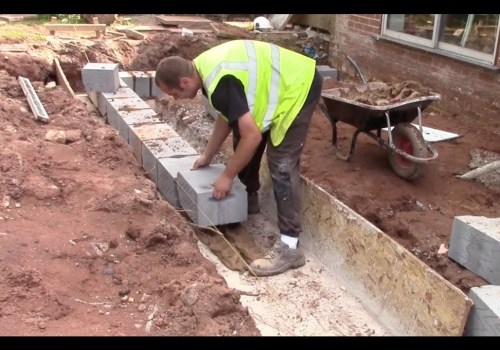
single story extension cost
The Ultimate Guide to Single-Story Side Extensions: Understanding Costs and Benefits
Explore the costs, benefits, and design ideas for single-story side extensions. Enhance your home with valuable living space today!
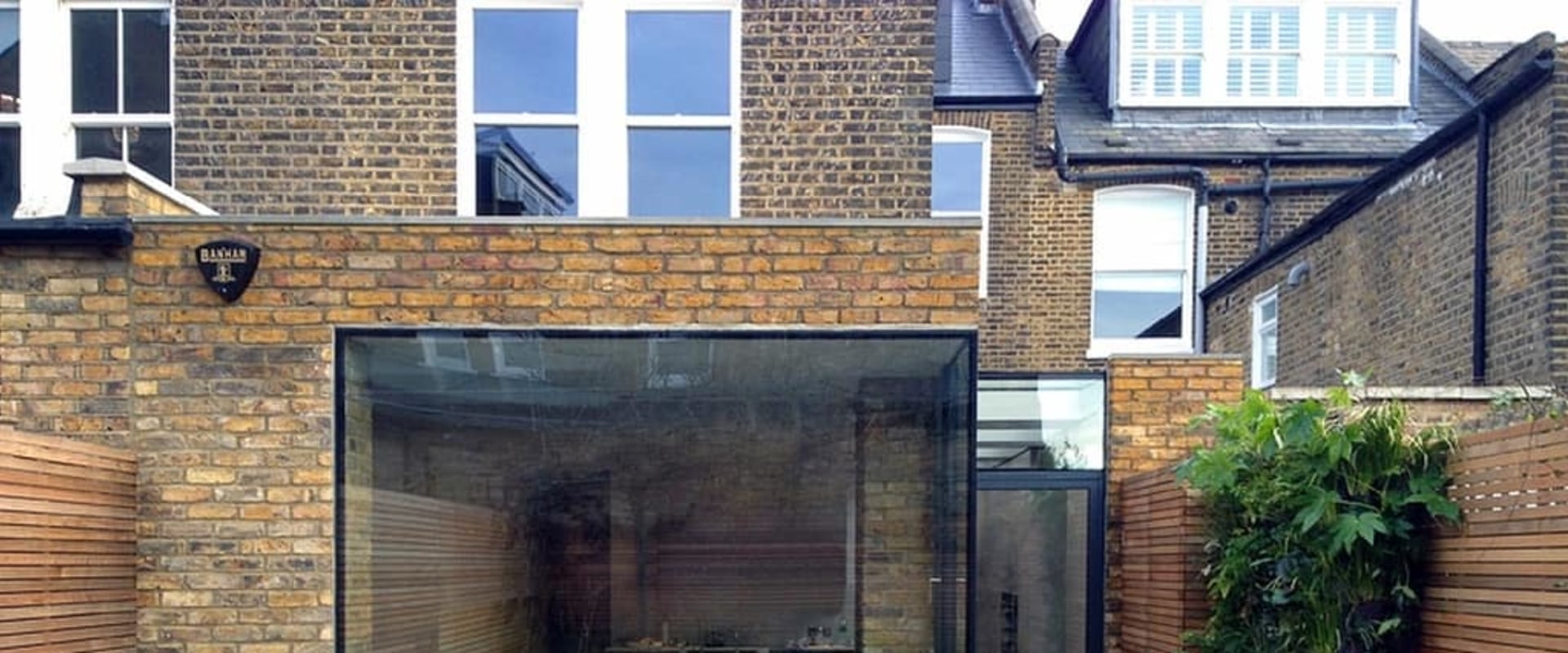
In recent years, the trend of single-story side extensions has gained significant traction among homeowners across the UK. As property prices continue to soar, many are seeking innovative ways to enhance their living spaces without the need to relocate. A single-story side extension not only provides additional room but also offers a practical solution for those looking to modernise their homes while adding value. This type of extension is particularly appealing due to its versatility, allowing homeowners to create anything from a spacious kitchen-diner to a serene home office. The cost of a single-story extension can vary widely based on several factors, including the size of the extension, materials used, and local labour rates.
However, many find that the investment pays off in the long run, as these extensions can significantly increase property value and improve overall functionality. Understanding the financial implications is crucial for homeowners considering this renovation, as it helps in planning and budgeting effectively. Beyond financial considerations, the benefits of single-story extensions extend into lifestyle improvements. They can transform underutilised areas of a home into vibrant living spaces that cater to modern family needs. Whether it’s creating an open-plan layout for entertaining or adding a dedicated space for hobbies, the possibilities are endless.
Moreover, with relaxed planning regulations in recent years, homeowners have more freedom than ever to design extensions that suit their personal style and requirements. As we delve deeper into this guide, we will explore various aspects of single-story side extensions, including detailed cost breakdowns, design ideas that maximise space and functionality, and tips for navigating building regulations. By understanding these elements, you can make informed decisions that will lead to a successful home renovation project.
Understanding the Costs of Single-Story Side Extensions
When considering a single-story side extension, understanding the costs involved is crucial for effective budgeting. The overall expense can vary significantly based on several factors, including materials, labour, and the complexity of the design.Cost Breakdown
- Materials: The choice of materials plays a significant role in determining the cost of your extension. Common materials include brick, timber, and glass.
For instance, opting for high-quality bricks or energy-efficient glazing can increase your initial outlay but may offer long-term savings on energy bills.
- Labour: Labour costs can fluctuate based on the region and the experience of the contractors you hire. In general, skilled tradespeople will charge more, but their expertise can lead to a higher quality finish and fewer issues down the line.
- Design Complexity: A straightforward design will typically be less expensive than a complex one. Features such as vaulted ceilings, large bi-fold doors, or bespoke cabinetry can add to the overall cost. It’s essential to balance your vision with your budget.
Average Costs in the UK
The average cost for a single-story side extension in the UK ranges from £1,200 to £2,000 per square metre.
This estimate includes both materials and labour but can vary based on location and specific project requirements. For example:
- A small extension of around 15 square metres could cost between £18,000 and £30,000.
- A larger extension of 30 square metres might range from £36,000 to £60,000.
Factors Influencing the Cost of a Single-Story Extension
When considering a single-story extension, understanding the various factors that influence the overall cost is crucial for effective budgeting. Several elements come into play, each contributing to the final price tag of your project.Planning Permission Costs
One of the first considerations is whether you need planning permission.While many single-story extensions fall under permitted development rights, there are instances where you may still require formal approval. If your property is in a conservation area or if you live in a listed building, you will likely need to apply for planning permission. This process can incur costs such as:
- Application Fees: Typically ranging from £200 to £500, depending on the complexity of your project.
- Consultation Fees: Engaging with an architect or planning consultant can add another £500 to £1,500 to your budget.
- Additional Surveys: If required, surveys for ecology or structural integrity can further increase costs.
Material Costs
The choice of materials significantly impacts the overall cost of your extension. High-quality materials may enhance aesthetics and durability but can also lead to higher expenses.Key material considerations include:
- Brick and Blockwork: Standard bricks are generally more affordable, while bespoke options can be pricier.
- Roofing Materials: Options range from traditional tiles to modern flat roofs, with costs varying widely.
- Windows and Doors: Energy-efficient glazing and custom designs will increase your budget but offer long-term savings on energy bills.
Labour Costs
The cost of labour is another significant factor in your extension's budget. Skilled tradespeople are essential for ensuring quality work, and their rates can vary based on location and expertise. Consider the following:- Builder Rates: Expect to pay between £150 to £250 per day for a qualified builder.
- Specialist Trades: Electricians and plumbers may charge higher rates due to their specialised skills.
- Project Management: Hiring a project manager can streamline the process but will add to your overall costs.
Benefits of a Single-Story Side Extension
When considering home renovations, a single-story side extension offers a multitude of benefits that can significantly enhance both your living space and the overall value of your property.Below, we explore some of the key advantages that make this type of extension an appealing choice for homeowners.
1.Increased Living Space
One of the most immediate benefits of a single-story side extension is the additional living space it provides. Whether you need a larger kitchen, a dedicated dining area, or an extra lounge, this type of extension allows you to create a functional area tailored to your family's needs. The open-plan layout often associated with these extensions can foster a more communal atmosphere, making it ideal for family gatherings and entertaining guests.
2.Enhanced Property Value
A well-designed single-story side extension can significantly increase the market value of your home. Real estate experts often note that properties with additional living space tend to attract higher offers from potential buyers.
This is particularly true in urban areas where space is at a premium. By investing in an extension, you not only improve your current living conditions but also make a sound financial decision for the future.
3.Cost-Effectiveness
Compared to multi-storey extensions, single-story options are generally more cost-effective. They require less structural work and fewer materials, which can lead to lower overall construction costs. Additionally, as they often fall under permitted development rights, you may avoid lengthy planning permission processes, further saving time and money.
4.Flexibility in Design
The design possibilities for a single-story side extension are virtually limitless.
Homeowners can choose from various styles and layouts that complement their existing property while reflecting their personal taste. From modern glass extensions that flood the space with natural light to traditional brick designs that blend seamlessly with the original structure, the choice is yours.
5.Improved Energy Efficiency
Modern building techniques and materials allow for better insulation and energy efficiency in new extensions. By incorporating energy-efficient windows and sustainable building practices, you can create a comfortable living environment that reduces energy bills and minimizes your carbon footprint.
6.Enhanced Outdoor Connection
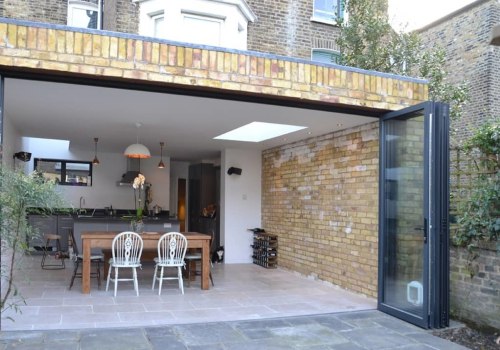
A single-story side extension can also improve your connection to outdoor spaces. Large bi-fold doors or sliding glass panels can seamlessly merge indoor and outdoor areas, creating an inviting atmosphere for relaxation or entertaining while allowing natural light to flood into your home.
In summary, the benefits of adding a single-story side extension are numerous and varied.
From increasing your living space and enhancing property value to offering design flexibility and improved energy efficiency, this type of renovation is an excellent investment for homeowners looking to enhance their homes.
Design Ideas for Your Single-Story Side Extension
When considering a single-story side extension, the design possibilities are vast and can significantly enhance both the functionality and aesthetic appeal of your home. Here are some innovative design ideas that cater to modern living needs, focusing on open-plan layouts and functional spaces.Open-Plan Living Extensions
One of the most popular trends in home design is the open-plan layout, which promotes a sense of space and connectivity. A single-story side extension can seamlessly integrate with your existing living areas, creating a fluid transition between spaces. Here are some ideas:- Kitchen-Dining-Living Area: Combine your kitchen, dining, and living spaces into one expansive area.
This layout is perfect for entertaining guests and allows for easy interaction among family members. Consider large bi-fold doors that open up to your garden, bringing the outdoors in.
- Multi-Functional Zones: Designate specific areas within the open-plan space for different activities. For instance, you could have a cozy reading nook with built-in shelves, a workspace with a desk, and a play area for children, all within the same room.
- Natural Light Maximisation: Incorporate skylights or large windows to flood the space with natural light. This not only enhances the ambiance but also makes the area feel more spacious.
Functional Space Designs
In addition to aesthetic appeal, functionality is key when designing your single-story side extension.Here are some practical ideas to consider:
- Utility Room: If you find yourself overwhelmed by laundry and household chores, consider adding a utility room as part of your extension. This dedicated space can house washing machines, dryers, and storage for cleaning supplies, keeping your main living areas clutter-free.
- Home Office: With remote work becoming increasingly common, a home office is an excellent addition. Design it with soundproofing in mind and include ample storage solutions to keep your workspace organised.
- Guest Suite: If you frequently host visitors, consider designing a small guest suite within your extension. This could include a bedroom area with an en-suite bathroom, providing privacy and comfort for your guests.
By incorporating open-plan layouts and functional spaces, you can create an inviting environment that enhances your home’s value while catering to modern living requirements.
Building Regulations and Planning Permissions
When considering a single-story side extension, it is essential to navigate the complex landscape of building regulations and planning permissions. These legal frameworks are designed to ensure that any construction is safe, sustainable, and in harmony with the surrounding environment.Building Regulations
In the UK, all building work must comply with the Building Regulations, which set out minimum standards for design, construction, and alterations to buildings. For single-story extensions, these regulations cover various aspects, including:
- Structural Integrity: The extension must be structurally sound, meaning it should be able to support its own weight and withstand environmental factors such as wind and rain.
- Energy Efficiency: Extensions must meet specific energy performance standards to reduce energy consumption and improve sustainability.
- Fire Safety: Adequate measures must be in place to prevent fire hazards, including proper materials and escape routes.
- Accessibility: The design should consider accessibility for all individuals, including those with disabilities.
Planning Permissions
The need for planning permission can vary based on the specifics of your project.
In many cases, single-story side extensions can fall under permitted development rights , which allow homeowners to extend their properties without needing full planning permission. However, there are important conditions that must be met:
- The extension cannot exceed a height of four meters.
- The width of the extension should not exceed half the width of the original house.
- The extension must not extend beyond the rear wall of the house by more than four meters for detached homes or three meters for other types of homes.
- The materials used should be similar in appearance to those of the existing property.
By ensuring compliance from the outset, you can avoid potential legal issues and delays during construction, ultimately leading to a smoother renovation experience.
Choosing the Right Builder or Architect
When embarking on a project as significant as a single-story side extension, selecting the right builder or architect is crucial to ensure that your vision is realised effectively and efficiently. Here are some essential tips to guide you through the selection process.Research and Recommendations
Start by gathering recommendations from friends, family, or neighbours who have undertaken similar projects. Personal experiences can provide valuable insights into the quality of work and reliability of builders or architects. Additionally, online platforms and local directories can help you compile a list of potential candidates.Check Qualifications and Experience
Once you have a shortlist, verify the qualifications and experience of each professional.Look for builders or architects who are registered with recognised industry bodies, such as the Royal Institute of British Architects (RIBA) or the Federation of Master Builders (FMB). These affiliations often indicate a commitment to high standards and ongoing professional development.
Review Portfolios and Past Projects
Examine their portfolios to assess their previous work. Look for projects that resemble your intended extension in style and complexity. This will give you an idea of their capabilities and whether their design aesthetic aligns with your vision.Request Detailed Quotes
When you’ve narrowed down your options, request detailed quotes from each candidate.A comprehensive quote should outline all costs associated with the project, including materials, labour, and any additional fees. This transparency will help you compare offers more effectively.
Conduct Interviews
Arrange meetings with your top choices to discuss your project in detail. This is an opportunity to gauge their communication skills, professionalism, and enthusiasm for your project. Ask about their approach to problem-solving and how they handle challenges that may arise during construction.Check References
Don’t hesitate to ask for references from previous clients.Speaking directly with past customers can provide insights into the builder’s reliability, work ethic, and ability to meet deadlines. A reputable professional should be happy to provide references upon request.
Assess Compatibility
Your builder or architect will be a key partner throughout the project, so it’s essential to choose someone you feel comfortable working with. Ensure that they understand your vision and are willing to collaborate closely with you throughout the process. By following these guidelines, you can confidently select a builder or architect who will help bring your single-story side extension to life while ensuring quality workmanship and adherence to timelines.Frequently Asked Questions (FAQs)
When considering a single-story side extension, many homeowners have questions regarding costs, planning permissions, and the overall process. Below are some of the most frequently asked questions that can help clarify these aspects.What is the average cost of a single-story side extension?
The cost of a single-story extension can vary significantly based on several factors, including location, size, materials used, and the complexity of the design.On average, homeowners can expect to pay between £1,200 and £2,000 per square metre. This means that for a typical extension of around 20 square metres, the total cost could range from £24,000 to £40,000. It's essential to obtain multiple quotes from builders to ensure you get a fair price.
Are there additional costs to consider?
Yes, aside from the basic construction costs, there are several additional expenses to keep in mind:- Architectural fees: Hiring an architect or designer can add £1,500 to £3,000 to your budget.
- Planning permission fees: If required, these can range from £200 to £500.
- Building regulations approval: This may cost between £300 and £1,000 depending on your local authority.
- Landscaping and interior finishes: These can vary widely based on your choices but should be factored into your overall budget.
Do I need planning permission for a single-story side extension?
In many cases, you may not need planning permission if your extension falls within permitted development rights. However, this is subject to specific conditions:- The extension must not exceed four metres in height.
- The width should not exceed half the width of the original house.
- The extension should not extend beyond the back wall of the house by more than four metres for detached homes or three metres for others.
Always check with your local council for specific regulations.
How long does it take to get planning permission?
The planning permission process typically takes around eight weeks from submission to decision. However, this can vary based on the complexity of your application and the workload of your local council. It’s advisable to factor this time into your project timeline. By addressing these common queries about single-story side extensions, homeowners can better prepare for their renovation projects and make informed decisions that align with their needs and budgets.Conclusion: Making an Informed Decision on Your Extension Project
In conclusion, embarking on a single-story side extension project is a significant decision that requires careful consideration of various factors. Throughout this guide, we have explored the costs , benefits , and regulations associated with such an extension, all of which play a crucial role in ensuring a successful outcome. Understanding the single story extension cost is paramount.Costs can vary widely based on factors such as the size of the extension, materials used, and the complexity of the design. It is advisable to obtain multiple quotes from reputable builders and contractors to ensure you are getting a fair price. Additionally, consider setting aside a contingency budget for unexpected expenses that may arise during construction. The benefits of a single-story side extension are numerous. Not only does it enhance your living space, but it can also significantly increase the value of your property.
A well-designed extension can create a seamless flow between indoor and outdoor areas, making your home more functional and enjoyable. Furthermore, with relaxed planning regulations, homeowners now have greater flexibility in design and size, allowing for more creative possibilities. However, it is essential to navigate the building regulations carefully. Compliance with local laws ensures that your extension is safe and meets necessary standards. Engaging with professionals such as architects or builders who are familiar with these regulations can save you time and potential headaches down the line. Ultimately, making an informed decision about your single-story side extension involves weighing all these factors carefully.
Take the time to research thoroughly, consult with experts, and envision how this addition will fit into your lifestyle and home environment. By doing so, you can create a space that not only meets your needs but also enhances the overall value and appeal of your property.